

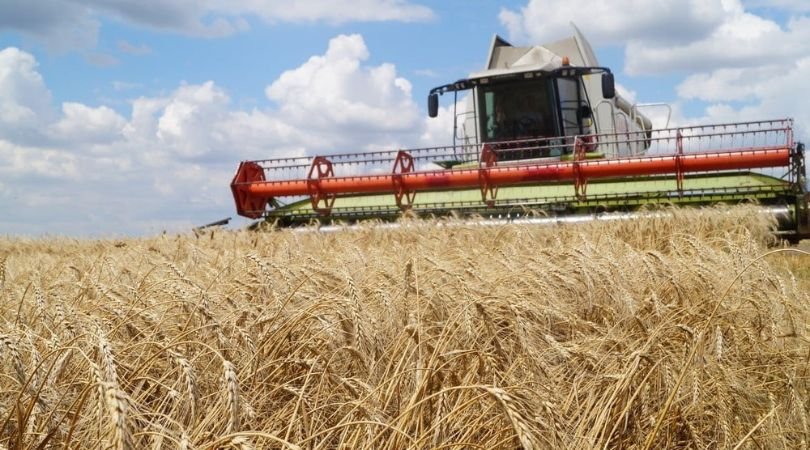
Odesa region has harvested its first one million tonnes of grain, while Ukraine set a new export record in July by shipping 2.6 million tonnes of agricultural products through the Black Sea corridor—50% more than during the same period last year.
Despite the strong harvest, regular Russian strikes on the ports of Greater Odesa and bulk carriers have brought exports to a near standstill. Shipowners are canceling calls to Ukrainian ports, traders are scaling back purchases, and domestic grain prices have fallen by as much as 25% in some areas.
According to market participants, farmers have already lost 30–40% of their crop value and are often forced to sell grain below production costs. Over the past week alone, grain prices in the region have dropped by an average of UAH 2,500 per tonne, even as global grain prices remain elevated. Many producers are rushing to sell their harvest out of fear that storage facilities could be damaged in further attacks. As a result, many are expected to cut spending on fertilizers and other essential inputs, which could reduce yields in the next growing season.
The Danube ports remain the only alternative export route, but they cannot replace the capacity of Greater Odesa’s deep-water ports. Transshipment costs have tripled, while freight rates have increased by nearly 50%. River ports are unable to handle comparable cargo volumes, and both rail and road transport are already operating at full capacity. Routing exports through Romania’s Constanța also raises logistics costs, making many shipments financially unviable.
Agricultural products account for around 60% of Ukraine’s total exports, and Ukrainian grain supplies food to hundreds of millions of people worldwide. The disruption of exports is affecting not only Ukrainian producers but also global markets by reducing supplies to Europe, Asia, and Africa and adding upward pressure to international grain prices.
Although the harvest remains strong, the campaign in Odesa region continues under difficult conditions due to ongoing attacks, damage to infrastructure, and fires caused by drone strikes. Industry representatives believe the crisis could last another three to four weeks as traders work to restore financing, adapt logistics, and rebuild export flows. Farmers who have the financial flexibility are being advised to delay sales until market conditions begin to stabilize.
