

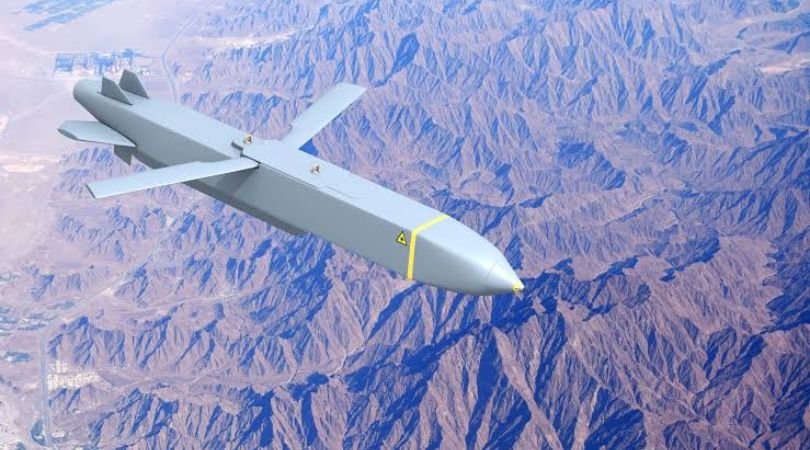
Drawing on lessons from the war in Ukraine, the United Kingdom has decided to gradually retire its Storm Shadow cruise missiles. Although the missiles have proven highly effective in combat, they are expensive to produce and available only in limited numbers. As a result, the UK is shifting its focus to a new generation of lower-cost cruise missiles that can be manufactured at scale.
Under its new Defence Investment Plan, the British government says the development of these missiles will incorporate Ukrainian battlefield experience and technological expertise. London has already committed £300 million to support this effort. The initial focus will be on air-launched versions, with land- and sea-based variants planned for the future.
At the same time, the UK does not intend to abandon high-end precision weapons altogether. Development of the new Stratus missile family by MBDA is continuing, backed by £1.4 billion in funding through 2030. In addition, the government will invest another £210 million in long-range strike drones for the Army, Royal Navy, and Royal Air Force.
The UK’s future long-range strike capability is expected to combine three key elements: affordable next-generation cruise missiles for large-scale use, advanced Stratus precision missiles for the most demanding targets, and long-range attack drones. The strategy reflects a key lesson from the war in Ukraine: modern warfare requires not only precision, but also the ability to produce and deploy weapons in large numbers.
