

Russia’s war against Ukraine has already significantly reshaped perceptions of modern warfare and challenged the doctrines that have underpinned the world’s leading militaries for decades, said Christian Brose, President and Chief Strategy Officer at U.S. defense company Anduril. His views are also reflected in reporting by The Economist, Financial Times, and Business Insider.
According to Brose, for decades the United States operated on the assumption that it would maintain a technological edge over any potential adversary, and that future wars would be short and would not require large-scale weapons production. “We built a military around very expensive, complex, and hard-to-produce systems. The future looks almost the opposite,” he noted.
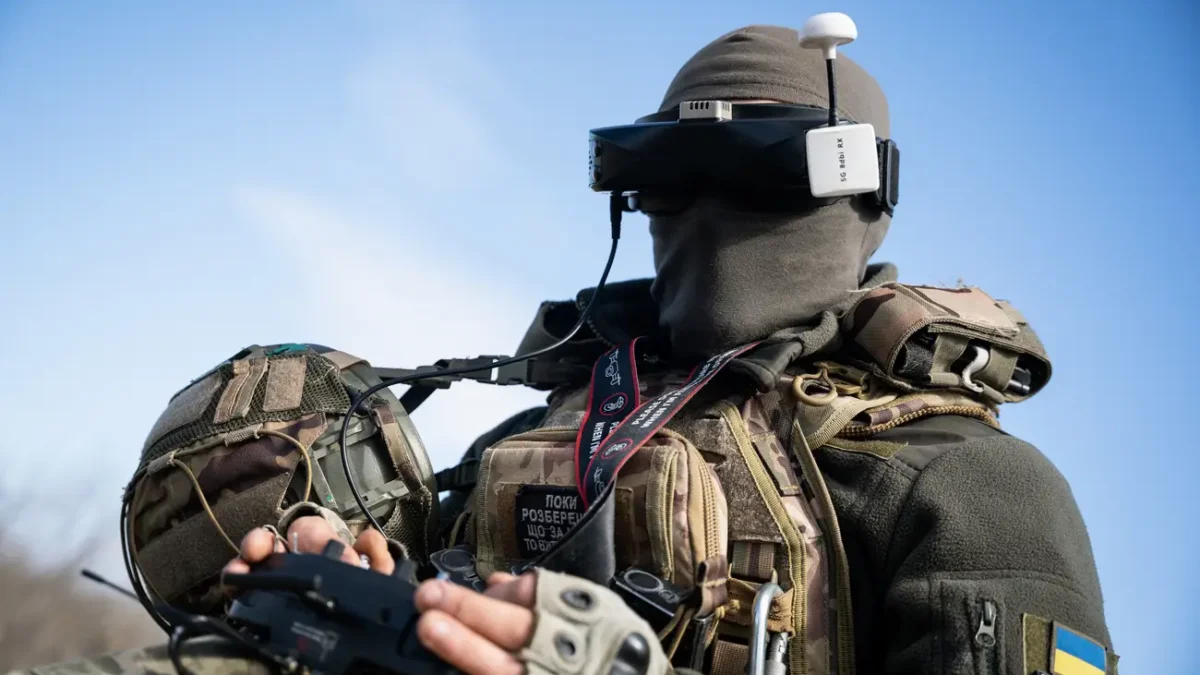
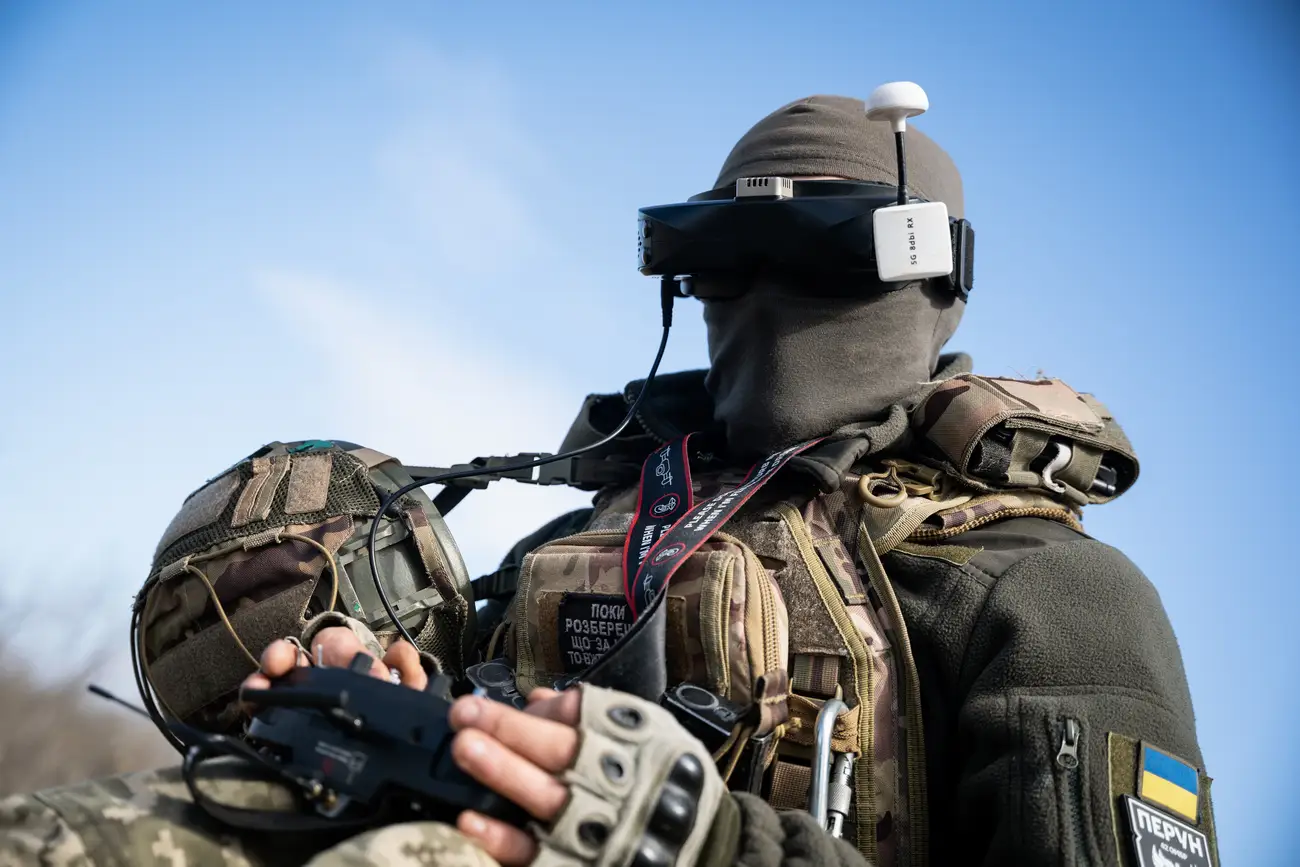
The war in Ukraine, he argues, has become a key example of how autonomous systems, drones, and relatively low-cost technologies are gradually reshaping the balance of power on the battlefield. The large-scale use of drones has allowed Ukraine to offset the advantages of a conventionally stronger adversary and sustain its resistance. “This is how Ukraine has been able to remain in the fight for more than four years, and the Ukrainian front is now effectively setting the standards for 21st-century warfare,” Brose said.
He further emphasized: “Ukraine has proven that the era of expensive tanks, ships, and aircraft as the primary strike force on the battlefield is gradually ending, while mass-produced drones and autonomous systems are becoming the decisive factor in war.”
Brose also highlights the rapid growth of Ukraine’s defense-industrial base. Over the past year, production of reconnaissance drones has increased by 441%, medium-range strike drones by 312%, long-range systems by 53%, and fiber-optic FPV drones by 179%.
Ukraine is heavily investing billions of dollars into domestic weapons production — from unmanned systems and electronic warfare capabilities to cruise missiles. This is creating a new industrial sector operating under wartime conditions and rapidly adapting to frontline needs.
In conclusion, Brose argues that the war in Ukraine is not only a military conflict but also a catalyst for a global transformation in defense thinking, where mass production, autonomy, and speed of innovation are becoming more important than complexity and cost alone.
