

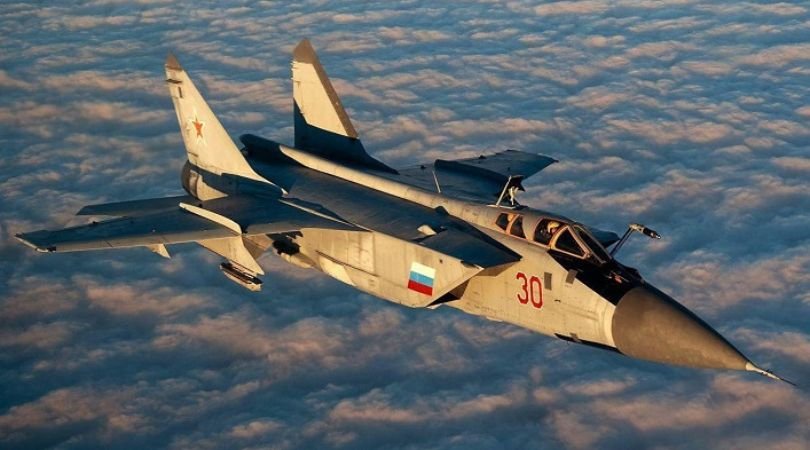
On Friday, September 19, three Russian MiG-31s violated Estonian airspace. This is the third such incident since the beginning of the month, and is seen as a test of NATO’s eastern borders. The fighter jets, which are capable of carrying hypersonic Kinzhal missiles, were flying toward Tallinn.
Italian F-35s were scrambled to intercept them as part of Operation Eastern Sentinel. However, the Russian fighters were not shot down because the situation did not meet the “necessary parameters”. The Estonian Foreign Ministry summoned Russia’s chargé d’affaires in Tallinn and delivered a note of protest.
Russia has violated Estonian airspace four times this year and over 40 times since 2014. Following this latest provocation, the Estonian government requested consultations under Article 4 of the NATO Treaty and, for the first time in its 34-year UN membership, convened the Security Council for a meeting scheduled for September 22.
The Russian Defense Ministry denies their jets entered Estonian airspace, but NATO has confirmed the incident and the Estonian Defense Ministry provided a map showing the exact route the Russian MiG-31s followed.
Additionally, two Russian fighter jets entered the security zone of the Petrobaltic oil platform that is operating within the Polish Baltic Sea economic zone. US President Donald Trump commented on the Russian MiG-31 flight to Estonia, suggesting it could pose a significant problem.
Czech President Petr Pavel called Russia’s actions “extremely irresponsible behavior” and said that invading other countries’ airspace justifies defensive measures, including “shooting down such an aircraft”.
The Lithuanian Defense Ministry also called for shooting down targets that breach NATO airspace.
