

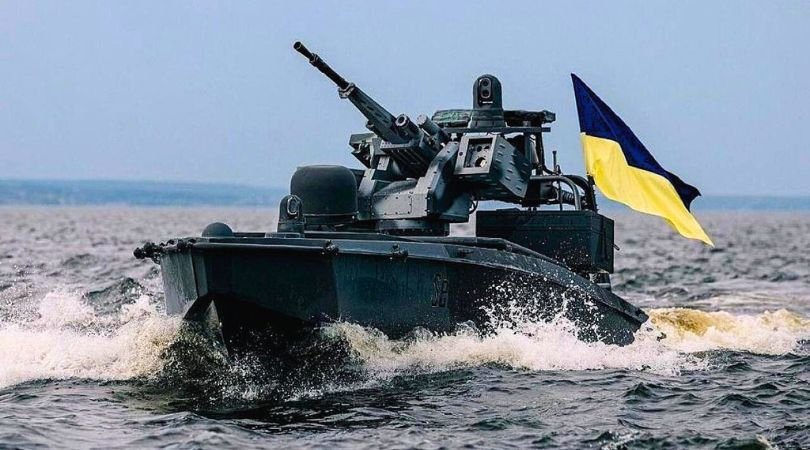
Ukraine is entering a new stage in the development of maritime drones. The defense industry is working on ocean-class unmanned systems and underwater vehicles capable of operating in distant sea areas, escorting vessels, and strengthening naval operations. This marks a significant shift in the fleet’s capabilities.
According to Volodymyr Zelenskyy, Ukraine’s arsenal will soon include drones designed for open-sea operations. This goes beyond coastal strike platforms to systems capable of long-endurance autonomous missions.
Following the successful deployment of maritime drones in the Black Sea, Ukraine is moving toward more advanced solutions. New platforms will not only conduct strikes but also perform reconnaissance, coordinate other unmanned systems, and function as part of an integrated maritime surveillance network.
Developing ocean-class systems requires a fundamentally higher level of engineering. These drones must withstand harsh marine conditions, operate autonomously for extended periods, and rely on resilient navigation systems, including inertial and backup solutions in electronic warfare environments.
Their functionality is also expanding significantly. They can escort commercial vessels, monitor sea lanes, support coalition operations, and ensure the security of maritime logistics — a critical factor for Ukraine’s economy.
At the same time, Ukraine is advancing underwater unmanned systems. These platforms can carry out covert missions such as reconnaissance, mine detection, seabed surveys, and infrastructure monitoring. Their development demands complex engineering, including pressure-resistant hulls, sealed systems, and autonomous navigation without constant satellite connectivity.
Overall, Ukraine is shaping a new model of naval defense in which unmanned platforms play a central role. Ocean-class drones extend operational reach without relying on large, vulnerable, and costly warships.
